The Art of Judo
Founded by Jigoro Kano in 1882, Judo — meaning "the gentle way" — is an Olympic sport and martial art that emphasises maximum efficiency with minimum effort.
What Is Judo?
Judo is a dynamic combat sport that involves throws, pins, arm-locks, and strangles. Unlike striking arts, Judo focuses on grappling — using your opponent's energy against them. It teaches you to fall safely (ukemi), move efficiently, and think strategically. Judo has been an Olympic sport since 1964 and is practised by millions worldwide.
Judo for Kids
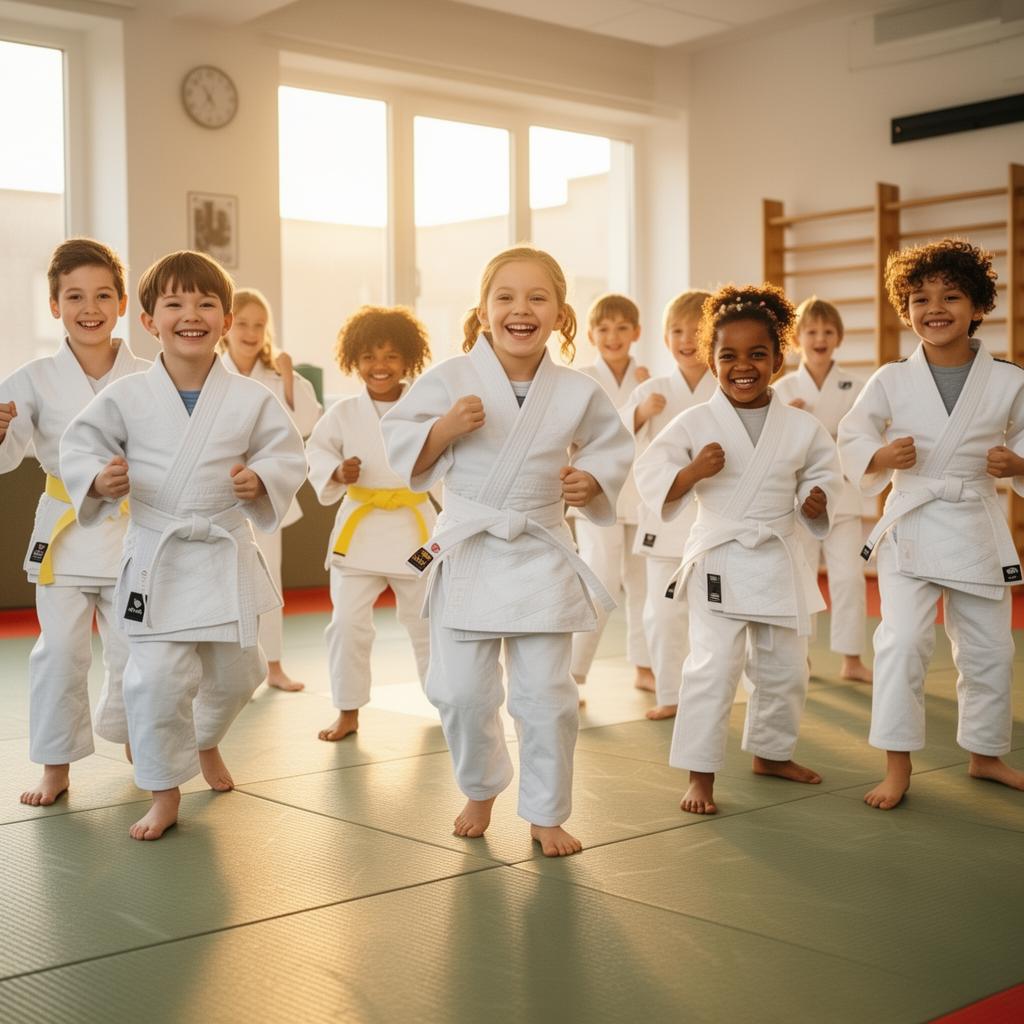
Judo is one of the most recommended martial arts for children. It develops:
- ✓Coordination & motor skills — essential for growing bodies
- ✓Discipline & focus — structured classes with clear expectations
- ✓Confidence — every belt grade is a tangible achievement
- ✓Social skills — learning to work with partners respectfully
- ✓Anti-bullying — knowing how to defend yourself and walk away
- ✓Resilience — learning to get back up after being thrown
- ✓Fitness — fun way to stay active and healthy
We welcome children from as young as 3 years old with specially designed classes that make learning Judo safe, fun, and engaging.
Judo for Adults
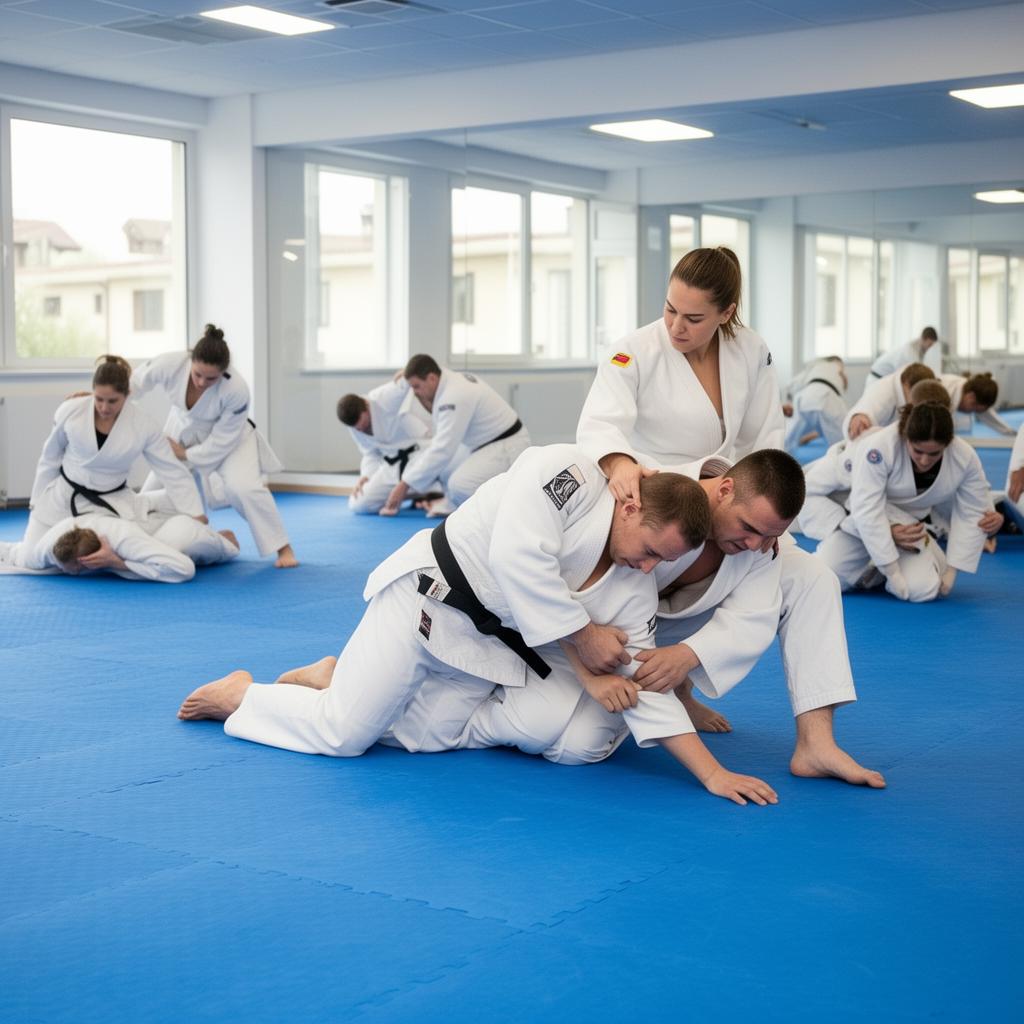
It's never too late to start Judo. Whether you're 18 or 60+, our adult classes cater to all abilities:
- ✓Full-body functional fitness — better than any gym workout
- ✓Stress relief — leave your worries on the mat
- ✓Self-defence — practical skills for real-life situations
- ✓Community — join a welcoming, supportive training family
- ✓Mental sharpness — Judo is often called 'physical chess'
- ✓Competition or recreation — train at your own pace
- ✓Masters 30+ — dedicated sessions for over-30s
The Belt Grading System
Judo uses a coloured belt system to mark progression. From white belt (beginner) through yellow, orange, green, blue, and brown — all the way to the coveted black belt. Each grade represents not just technical skill, but personal growth, dedication, and understanding of Judo's principles.
The Moral Code of Judo
Judo is built on a foundation of strong moral values that extend beyond the mat:
Rei
Courtesy
Treating others with politeness and respect
Yūki
Courage
Doing what is right, even when it's difficult
Yūjō
Friendship
Building bonds through mutual practice
Meiyo
Honour
Acting with integrity on and off the mat
Kenson
Modesty
Staying humble in victory and gracious in defeat
Sonkei
Respect
Valuing your partner, coach, and the art
Jisei
Self-Control
Mastering your emotions and reactions
Seijitsu
Sincerity
Being genuine and true in your effort